







Search Results for: Extraction Formula
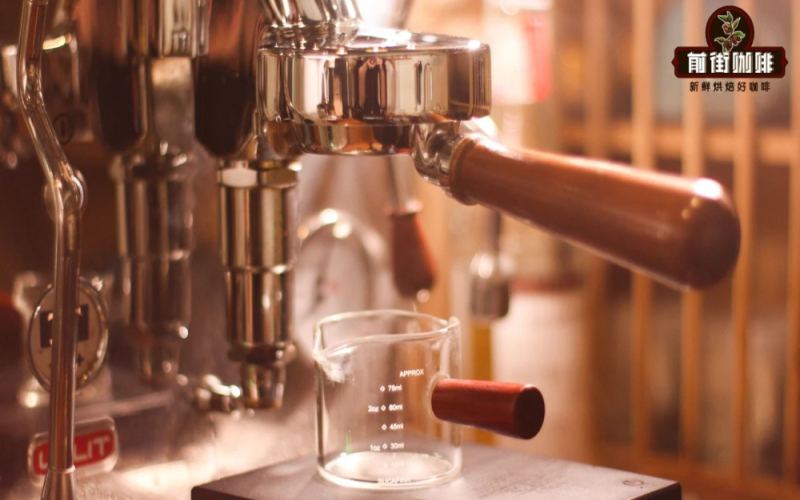
Americano Features | What Factors Affect Espresso Quality? What Is the Espresso Extraction Formula? Introduction to Iced Americano Ratio and Method
For more specialty coffee knowledge, please follow our WeChat official account: FrontStreet Coffee. Anyone who has made coffee knows that a standard Americano is made by combining espresso with water—meaning whether an Americano tastes good depends entirely on the quality of the espresso. Extracting espresso. [more…]
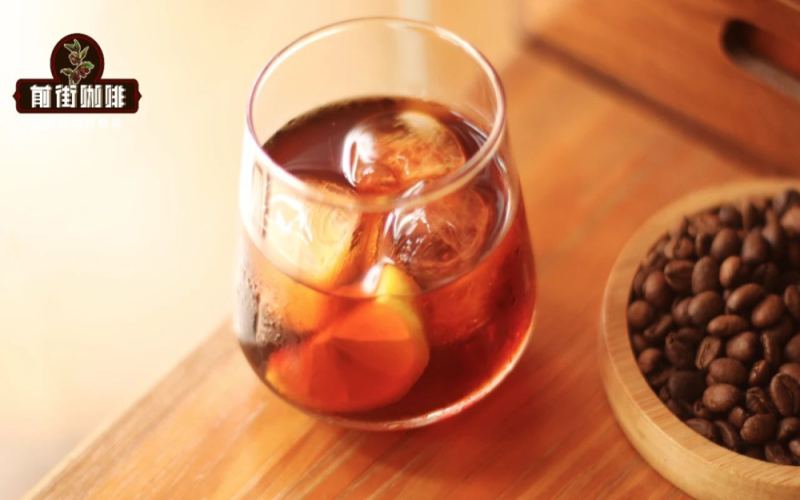
Iced Pour-Over Coffee Brewing Guide: Water-to-Coffee Ratio Formula and Detailed Pulse Pouring Techniques
On a hot summer day, a cup of refreshing iced pour-over coffee that doesn't compromise on flavor is a favorite among many coffee lovers. But to make iced pour-over present a fruity, sweet-and-tart layered complexity, the key lies in mastering the correct ratio of coffee grounds, water, and ice, as well as the extraction technique. This article focuses on the universal iced pour-over formula summarized by Front Street—coffee grounds paired with 10 times hot water and 5 times ice—breaking down in detail the complete workflow from grind adjustment and three-stage pouring to one-pour iced pour-over, and explaining why, once the amount of hot water poured is reduced, the grind must be made finer to compensate for extraction time, helping you easily make a cup of iced pour-over with both the right strength and flavor. [more…]

Pour-Over Coffee Sweetness Enhancement Guide: The "High, Fine, Large, Fast" Four-Word Formula and the High-Concentration, Low-Extraction Approach for Dark Roasts
Most of the sugars in coffee beans have already been transformed and degraded during roasting, and the remaining sweet-tasting molecules are easily masked by flavors such as acidity and bitterness. In this article, Front Street will break down the underlying principles of high-sweetness extraction and explain in detail the four-character brewing formula of "fine, high, large, fast"—grinding finer, raising the water temperature, increasing the flow rate, and speeding up extraction—using medium-light roasted beans as the experimental subject, demonstrating step by step the specific parameters and techniques for each stage; for medium-dark roasted beans, which are loose in texture and cannot withstand aggressive extraction, the "high concentration, low extraction" approach is recommended, paired with a Kono dripper and a simple one-pour technique, which can likewise brew a cup of coffee with full sweetness and restrained bitterness. At the end, the article also introduces diverse extraction methods such as variable-temperature brewing, for enthusiasts to try freely. [more…]

Kasuya Tetsu's 4:6 Brewing Method Explained: Why Five-Pour Brewing Consistently Produces Balanced Pour-Over Coffee
Some works often outshine their creators, like the Mona Lisa for Da Vinci, or the 4:6 method for Tetsu Kasuya. The core goal of this method, invented by the 2016 World Brewers Cup champion, is simple—to let anyone brew delicious coffee. It breaks a brew into five pours, each using three times the coffee dose in water, with the first two pours making up 40% of the total water to determine the sweet-and-sour direction, and the last three pours making up 60% to shape a rich, full-bodied mouthfeel. This article will fully break down the segmentation logic of the 4:6 method, the origin of the 45-second pouring interval, and conduct a real test using Front Street Coffee's Ethiopia Santa Vini beans to verify why this formula has an extremely high margin for error, and how to move beyond the formula and grasp its extraction philosophy. [more…]
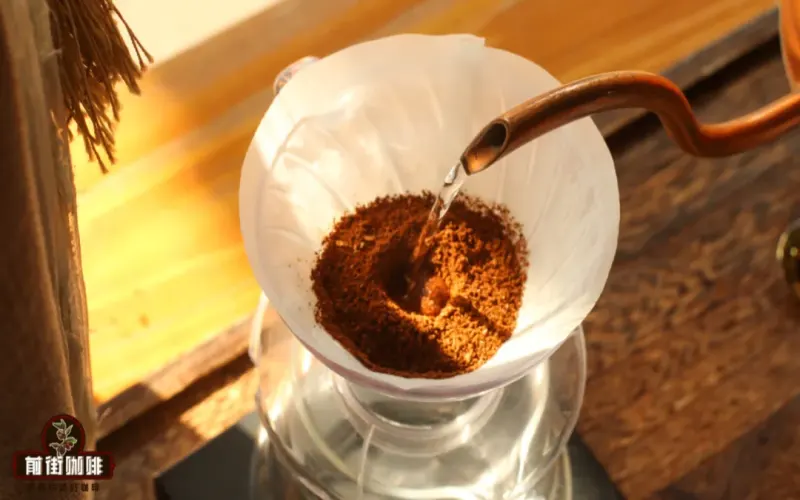
Master these two core formulas to easily make a well-balanced Italian latte
Latte coffee seems simple, but in reality it hides real craftsmanship. Many people follow a recipe, yet the final result always feels like it falls a bit short, and the problem often lies in parameter control. This article starts with the espresso extraction formula and the coffee-to-milk ratio formula, breaking down how to use variables such as the coffee-to-water ratio, extraction time, and milk quantity to bring a latte to a state of balanced flavor and full-bodied texture. Whether you prefer the rich chocolate notes of a dark roast or the bright fruit acidity of a light roast, the article provides corresponding adjustment approaches, and also includes a simple method for iced latte, helping you elevate your latte from "drinkable" to "delicious." [more…]
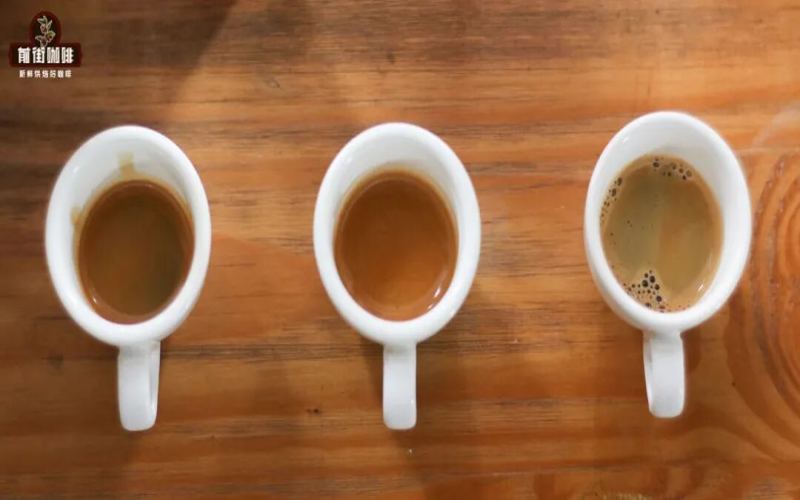
SOE Coffee Brewing Guide | How to Make Delicious SOE Espresso? How to Adjust SOE Coffee Bean Brewing Parameters?
After drinking too much traditional dark-roast espresso, one can't help but want a change of taste. As a result, most people swap the dark-roast blend in their hopper for SOE coffee beans that highlight flavor, using them to craft espresso with a pronounced acidic taste. These beans tend to be roasted on the lighter side, so if we use the parameters for extracting dark-roast beans [more…]
SOE Single-Origin Espresso Brewing Guide: Flavor Characteristics and Parameter Adjustment Tips for Light and Medium Roasts
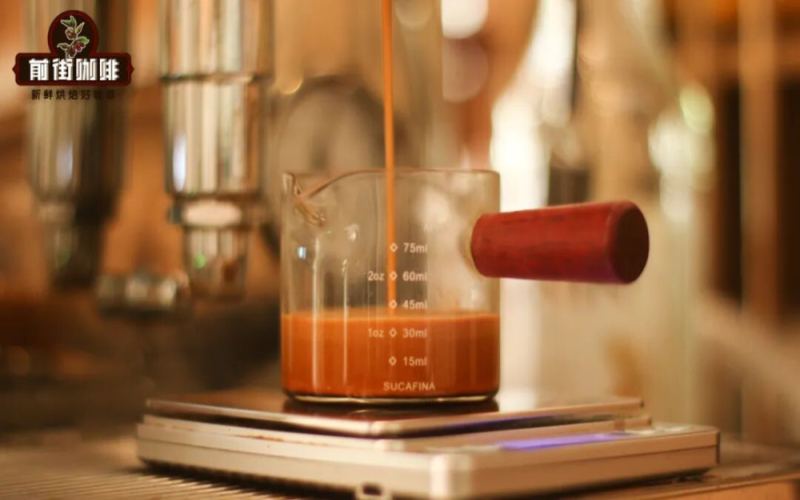
Many coffee enthusiasts have wondered: how exactly should medium-light roasted single-origin beans be pulled as espresso? If you simply apply the conventional parameters for dark-roasted Italian-style beans, it is often hard to achieve the ideal flavor. In fact, no matter what beans you use, the core logic of extraction is always the same—maximize the good flavors and avoid the negative ones. This article centers on the extraction approach for SOE, starting with medium-roasted fruity beans, sorting out the three major steps of clarifying your drinking purpose, applying the standard formula, and fine-tuning based on flavor, while offering specific solutions to three common problems: sharp acidity, mixed bitterness, and a thin, bland taste. It also illustrates these points with the actual parameters of several SOE products from Front Street Coffee. [more…]
A Complete Breakdown of SOE Espresso Extraction Details: Grinding, Ratios, and Flavor Adjustment Techniques for Light-Medium Roast Espresso Beans
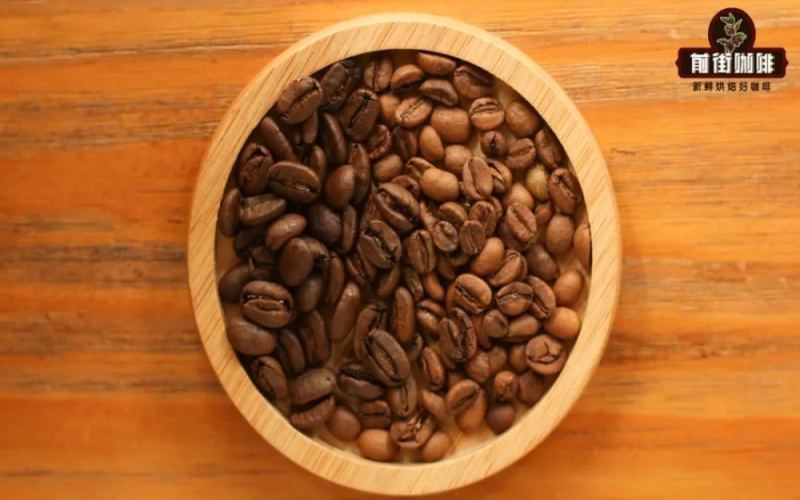
Making SOE with light-roasted beans is one of the more challenging aspects of espresso extraction. Drawing on the hands-on experience of Front Street Coffee, this article explains in detail how to set the extraction formula, how to adjust the grind setting according to the roast level, and provides troubleshooting approaches and adjustment plans for three common problems: sharp acidity with no lingering aftertaste, excessive bitterness from over-extraction, and thin crema. The core logic is: light-roast SOE requires higher extraction efficiency, and a brew ratio of 1:2 with a time of 30–35 seconds is a common starting point, but the final taste still depends on cupping judgment—fine-tuning the grind size and the yield are the keys that determine success or failure. [more…]

A Practical Guide to Iced Pour-Over Coffee for Summer: The Universal Formula and One-Pour Method Explained
On a scorching summer day, a refreshing glass of iced pour-over coffee is nothing short of a lifesaver. This article focuses on the key points of brewing iced pour-over, starting with a simple, easy-to-remember universal formula—coffee grounds, hot water, and ice in a 1:10:5 ratio—then breaking down variables one by one, such as fine grinding, water temperature, and pouring rhythm, to help you recreate café-quality iced coffee at home. It then uses Tanzania Kilimanjaro as an example to demonstrate the standard three-pour iced brewing process, along with a grind size reference from Front Street Coffee shops. At the end, it also introduces Tetsu Kasuya's "one-pour iced pour-over," which needs only a slow-flow dripper and a spoon: pour with a strong stream of water and then stir, and the whole process takes less than two minutes, yielding a round, sweet cup. Whether you pursue precise control or want to save effort, you can find a suitable method. [more…]
Summer Iced Pour-Over Coffee Brewing Guide: From the Universal Formula to a Detailed Explanation of the One-Pour Simple Method
On a scorching summer day, a refreshing glass of iced pour-over coffee is undoubtedly the best choice for cooling off and refreshing yourself. Compared with cold brew and iced drip, iced pour-over is quick to make and requires no special equipment, making it a favorite among many coffee lovers. Starting from the universal formula for iced pour-over, this article explains in detail the coffee-to-water-to-ice ratio, grind size adjustments, and the three-stage pouring technique, and uses Tanzania Kilimanjaro as an example to demonstrate the complete brewing process. It also introduces the "one-pour iced pour-over" developed by Tetsu Kasuya, which eliminates cumbersome techniques and uses the Mugen infinite cross-star dripper with 20 grams of Panama Abu Estate sun-dried Caturra to easily obtain a smooth, sweet-finish iced coffee. Whether you are a beginner or a seasoned enthusiast, you can find a summer iced coffee solution that suits you. [more…]
How to Make Iced Pour-Over Coffee? Front Street Shares a Universal Formula and a Detailed Guide to the One-Pour Iced Brewing Method
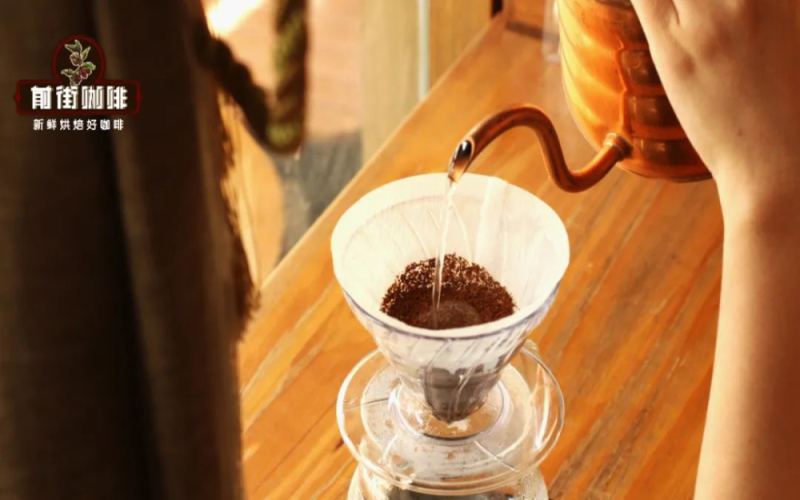
A glass of iced pour-over in summer always brings a uniquely refreshing experience, but many coffee enthusiasts encounter all kinds of questions when trying to recreate it at home: How should the coffee-to-water-to-ice ratio be balanced? What water temperature should be used? What are the key points of the pouring technique? Drawing on practical experience from its stores, Front Street Coffee has summarized a simple and easy-to-follow universal formula for iced pour-over—coffee grounds paired with 10 times hot water and 5 times ice—and also provides a grind size adjustment plan to address the problem of under-extraction. In addition, it has also compiled Mr. Tetsu Kasuya's "one-pour iced pour-over" method, which is more direct to perform and suitable for friends seeking convenience. The full text covers specific parameters, operating steps, and flavor descriptions to help you easily make café-quality iced pour-over. [more…]
How Is Caffeine Content Calculated? How Much Do Pour-Over and Espresso Each Contain, and How Many Cups Can You Drink Within the 400 mg Daily Limit?
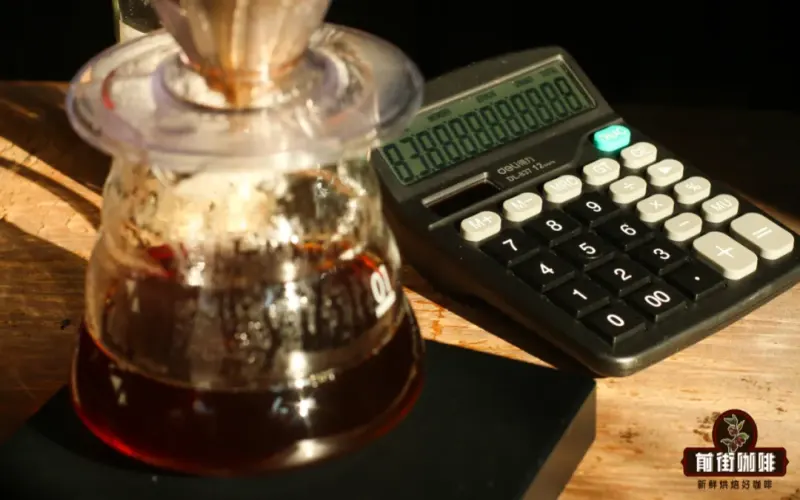
Many coffee enthusiasts care about exactly how much caffeine is in a cup of coffee and how many cups they can drink a day. Front Street Coffee has previously shared the caffeine content of different coffees, but because bean varieties, doses, and brewing methods vary so widely, it is hard to generalize. Today Front Street Coffee brings a practical caffeine calculation formula so you can estimate the caffeine content of pour-over or espresso yourself. The article will break things down from the perspectives of coffee bean variety, roast level, and extraction yield, and give specific calculation examples for a single pour-over and espresso, finally combining the daily intake recommendation of 400 mg to help you plan your coffee-drinking rhythm. [more…]
How is the extraction yield of immersion brewing calculated? Concentration measurement and practical demonstration under the Golden Cup theory
In the Golden Cup extraction theory, extraction yield and concentration are the two core metrics for assessing the flavor state of coffee. However, coffee that falls within the ideal range is not necessarily delicious, and coffee outside the range is not necessarily undrinkable—the key lies in how to use these two values to help adjust the brewing plan. From the perspective of Front Street, this article first clarifies the basic definitions and ideal ranges of extraction yield and concentration, then explains in detail how to use two sets of concentration measuring tools, and finally uses the Santa Vini anaerobic natural beans as an example to fully demonstrate the entire process from weighing the liquid weight to plugging it into the formula to calculate the extraction yield. [more…]
How to Set Espresso Extraction Parameters? Differences in Making Americano and Latte and Adjustment Approaches
Many coffee enthusiasts, when adjusting espresso parameters, don't really care about the espresso itself, but whether the americano or latte made from it tastes good. So, is it really necessary to use different extraction recipes for americano and latte? Starting from Front Street's hands-on experience, this article first goes over the basic logic and conservative formula of espresso extraction, then addresses the characteristics of americano and milk coffee separately, explaining how to adjust the coffee-to-water ratio to highlight each one's flavor strengths, so that every cup of fancy coffee can achieve the ideal taste performance. [more…]
Must espresso always follow a 1:2 coffee-to-beverage ratio? Unlocking flexible adjustment ideas for the golden extraction ratio
Many coffee enthusiasts have heard of the "golden ratio" for espresso—using a dose roughly equal to the basket's capacity, and extracting twice the dose weight in liquid weight within 25 to 30 seconds. However, when everyone strictly follows the 1:2 brew ratio to dial in, they find that not only does it consume a large amount of coffee beans, but the taste is also hard to reach an ideal state. So, must espresso extraction stick firmly to the 1:2 brew ratio? The answer is no. This ratio is just a general reference standard, helping us extract a delicious espresso with appropriate concentration and a reasonable extraction yield. The truly effective dialing-in method is to remove the restrictions on dose and liquid weight, and treat them as adjustable variables as well. This article will explain this flexible adjustment approach in detail for you. [more…]
SOE Coffee Brewing Guide | Is espresso made from SOE beans sour? How to adjust the SOE coffee extraction ratio?
SOE, a term frequently seen in coffee shops in recent years—what exactly is SOE? And when you suddenly crave one, how can you make a satisfying cup of SOE? What is SOE? SOE stands for "Single Origin Espresso," which means single-origin [more…]
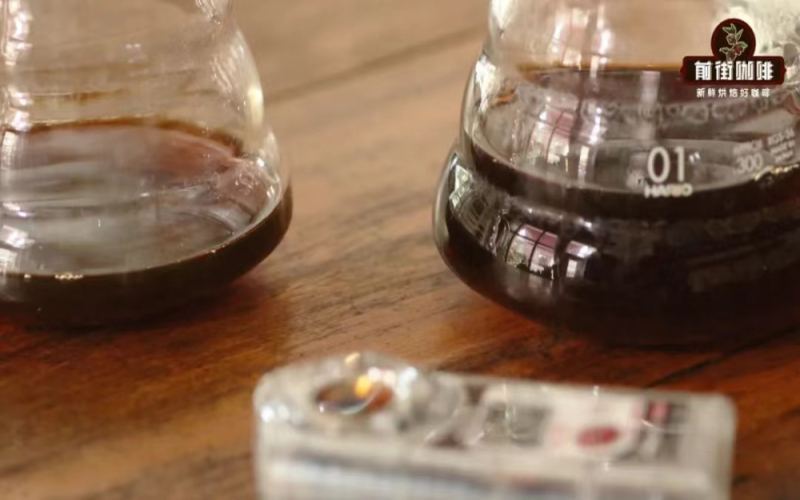
How Is the Extraction Yield of Pour-Over Coffee Calculated? A Complete Guide to the Golden Cup Extraction Theory's Formula and Practical Methods
Should brewing coffee rely on feeling or on data? With the maturation of extraction theory, pour-over coffee has gradually moved from empiricism toward a scientific approach. As a classic reference, the Golden Cup extraction standard, although some of the ranges in its 1.0 version are no longer fully suited to the present, still leaves behind extraction yield and concentration calculation formulas that remain practical today. From Front Street's perspective, this article first reviews the background of the Golden Cup standard and Lockhart's research journey, then focuses on explaining two methods for calculating extraction yield: the traditional dry weighing method, and the method of using a TDS meter to infer extraction yield from concentration. The article also summarizes the definitions of concentration and extraction yield, their interrelationship, and conversion formulas, and reminds that for drip coffee, the water absorbed by the coffee bed requires correcting the weight of the brewed liquid, helping you more accurately evaluate the performance of a cup of pour-over. [more…]
Espresso Morning Calibration Grinding Strategy: Use Three Coffee Bean Batches to Quickly Lock In the Day's Extraction Parameters
Adjusting the espresso recipe every morning is a required course for many baristas, but many people waste a large amount of beans through repeated trial and error, which is costly and can easily lead to heart palpitations from drinking too much. Front Street Coffee also went through this stage, and ultimately it was because they kept staring only at the grind setting and adjusting repeatedly, without finding the true source of the problem. This article sorts out from the beginning a method for determining the day's extraction formula within three shots: first determine whether the grind needs to be changed, then infer underextraction or overextraction from the taste, and finally master the two key details when adjusting the grinder—distinguishing the size of the adjustment increment and purging residual grounds. The article also includes practical tips such as preheating the blind basket, helping reduce waste and improve morning adjustment efficiency. [more…]

The Americano and Latte Parameter Adjustment Guide for SOE Espresso: From Extraction Concepts to Flavor Optimization
SOE has been appearing frequently in coffee shops in recent years, but making a satisfying cup of SOE at home is not simple. This article starts from the basic definition of SOE, analyzes its core differences from blended beans, and addresses common problems of light-roast SOE such as sharp acidity and unstable flavor, providing a complete extraction approach from clarifying purpose, applying formulas, to flavor adjustment. Whether you want to drink it directly, add water to make an Americano, or add milk to make a latte, you can find the corresponding parameter adjustment methods. The article also recommends specific beans such as Front Street Coffee. Huakui SOE and Front Street Coffee. Mozart SOE to help you get started quickly in practice. [more…]
How to Extract Light-Roast SOE Espresso for the Best Flavor? Single-Origin Bean Characteristics and Practical Adjustment Methods
Making espresso with light-roast single-origin beans always turns out sharp, thin, and short on finish? The problem often isn't the beans themselves, but that your extraction approach hasn't kept pace with the roast level. Drawing on Front Street Coffee's practical experience, this article breaks down the flavor characteristics and common pitfalls of light-roast SOE, and lays out a complete method: start with a universal formula, then fine-tune step by step based on your drinking purpose and flavor performance. Whether you want to drink it straight, make an americano, or add milk, you'll find the corresponding direction for adjustments, so that light-roast SOE is no longer just a synonym for "sour." [more…]